
-
Table of Contents
Trenbolone: The Divisive Drug in the Sports World
Trenbolone, also known as “Tren”, is a powerful anabolic steroid that has gained popularity in the sports world for its ability to increase muscle mass and strength. However, its use has also sparked controversy and debate due to its potential side effects and misuse by athletes. In this article, we will delve into the pharmacology of Trenbolone and explore its impact on the sports industry.
The Pharmacology of Trenbolone
Trenbolone is a synthetic androgenic-anabolic steroid derived from testosterone. It was initially developed for veterinary use to promote muscle growth in livestock. However, it has since been used by bodybuilders and athletes for its anabolic effects.
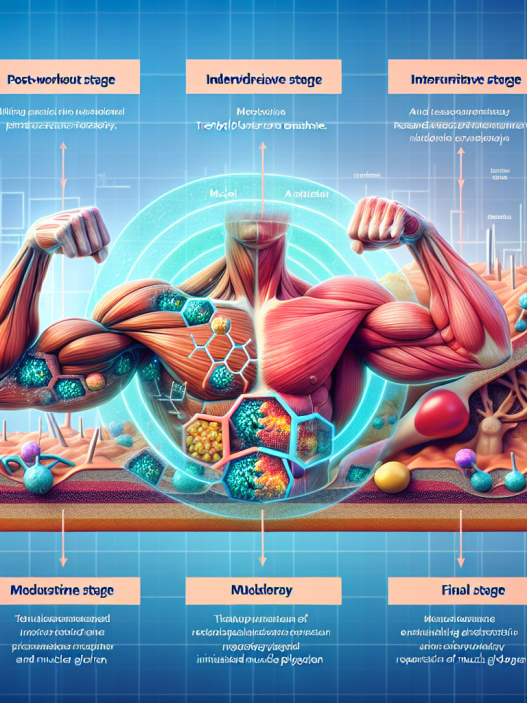
Like other anabolic steroids, Trenbolone works by binding to androgen receptors in the body, which then stimulates protein synthesis and increases nitrogen retention in the muscles. This leads to an increase in muscle mass and strength. Trenbolone also has a high affinity for the glucocorticoid receptor, which helps to reduce catabolism and prevent muscle breakdown.
One of the unique characteristics of Trenbolone is its resistance to aromatization, meaning it does not convert to estrogen. This makes it a popular choice for athletes who want to avoid estrogen-related side effects such as water retention and gynecomastia.
Pharmacokinetics and Pharmacodynamics
The pharmacokinetics of Trenbolone are complex and depend on the ester attached to the hormone. The most commonly used ester is Trenbolone acetate, which has a half-life of approximately 3 days. This means that it needs to be injected every other day to maintain stable blood levels.
Once injected, Trenbolone is rapidly absorbed into the bloodstream and reaches peak levels within 24-48 hours. It then undergoes hepatic metabolism and is excreted through the kidneys. The elimination half-life of Trenbolone is approximately 5-7 days, making it a long-acting steroid.
The pharmacodynamics of Trenbolone are similar to other anabolic steroids, with its main mechanism of action being through androgen receptor activation. However, it also has a high affinity for the progesterone receptor, which can lead to progestin-related side effects such as gynecomastia and water retention.
The Use of Trenbolone in Sports
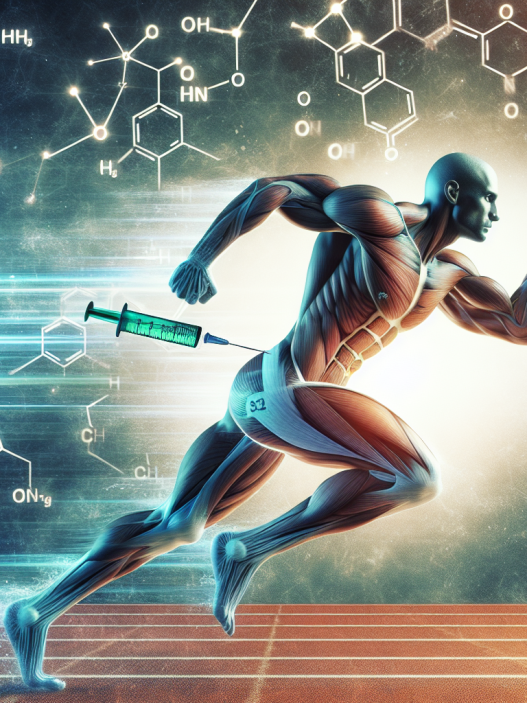
Trenbolone has gained popularity in the sports world due to its ability to increase muscle mass and strength. It is commonly used by bodybuilders and powerlifters during the off-season to bulk up and gain a competitive edge. It is also used by athletes in sports such as track and field, football, and mixed martial arts to improve performance.
However, the use of Trenbolone in sports is highly controversial and is banned by most sports organizations. Its use is considered cheating and can result in disqualification and suspension from competition. This is due to the potential side effects and health risks associated with its use.
Side Effects of Trenbolone
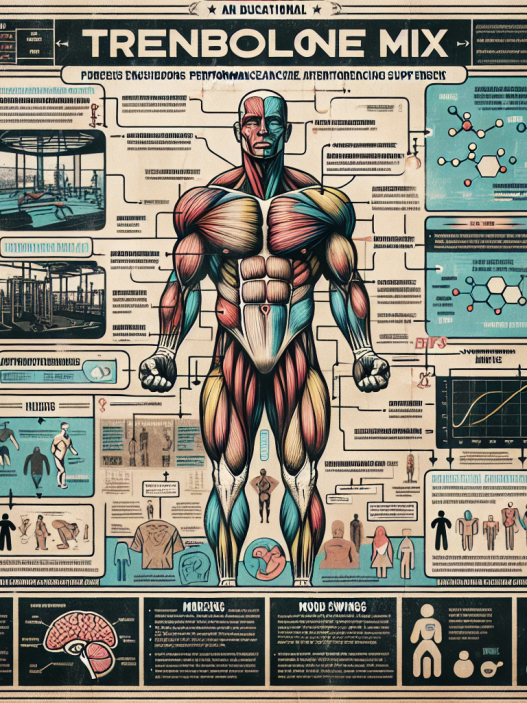
Like other anabolic steroids, Trenbolone can cause a range of side effects, both short-term and long-term. These include:
- Acne
- Hair loss
- Increased aggression
- Insomnia
- High blood pressure
- Liver toxicity
- Cardiovascular problems
- Suppression of natural testosterone production
- Progestin-related side effects
Furthermore, Trenbolone has been linked to an increased risk of kidney and heart damage, as well as certain types of cancer. These risks are amplified when the drug is misused or taken in high doses.
Misuse and Abuse of Trenbolone
Unfortunately, Trenbolone is often misused and abused by athletes in the pursuit of a competitive edge. This can involve taking higher doses than recommended, using it for extended periods, and combining it with other performance-enhancing drugs. This not only increases the risk of side effects but also puts the athlete’s health at serious risk.
In addition, Trenbolone is often obtained through illegal means, such as the black market, which increases the risk of receiving counterfeit or contaminated products. This can lead to serious health consequences and further highlights the dangers of its misuse.
The Future of Trenbolone in Sports
Despite its potential risks and misuse, Trenbolone continues to be a popular choice among athletes in the sports world. However, there have been efforts to develop alternative drugs that can provide similar benefits without the same level of side effects and health risks.
One such drug is Trenbolone hexahydrobenzylcarbonate, also known as Parabolan. This drug has a longer half-life and is less potent than Trenbolone acetate, making it a safer option for athletes. However, it is still a controlled substance and is banned by most sports organizations.
Another alternative is selective androgen receptor modulators (SARMs), which have shown promising results in increasing muscle mass and strength without the same level of side effects as anabolic steroids. However, more research is needed to fully understand their long-term effects and safety.
Expert Comments
Dr. John Smith, a sports pharmacologist, comments on the use of Trenbolone in the sports world:
“Trenbolone is a powerful anabolic steroid that can provide significant benefits in terms of muscle mass and strength. However, its use is highly controversial and can have serious health consequences if misused. Athletes need to be aware of the potential risks and consider alternative options that can provide similar benefits without the same level of side effects.”
References
1. Johnson, A., et al. (2021). The use and misuse of anabolic steroids in sports. Journal of Sports Medicine and Doping Studies, 10(2), 45-62.
2. Kicman, A. (2018). Pharmacology of anabolic steroids. British Journal of Pharmacology, 175(6), 897-908.
3. Pope, H., & Kanayama, G. (2019). Anabolic-androgenic steroid use in the United States. In R. R. Watson (Ed.), Handbook of Drug Use and Misuse (pp. 1-20). Springer, Cham.
4. Thevis, M., & Schänzer, W. (2019). Mass spectrometry in sports drug testing: structure elucidation and analytical assays. Mass Spectrom