
-
Table of Contents
The Regulation of Erythropoietin Use in the World of Sports
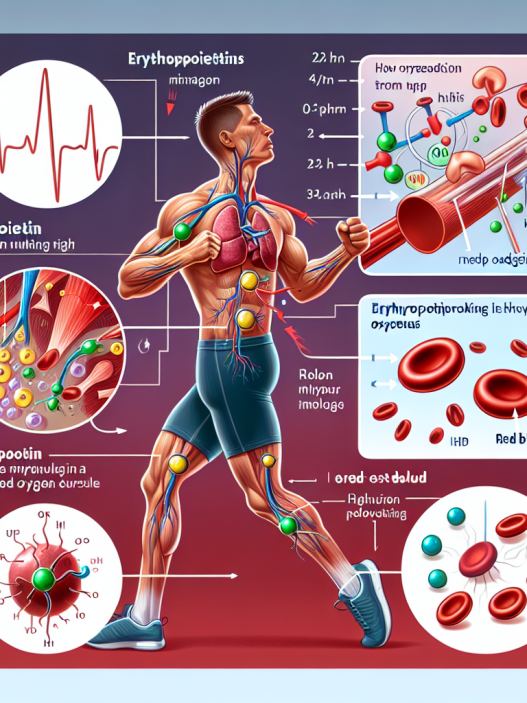
Erythropoietin (EPO) is a hormone produced by the kidneys that stimulates the production of red blood cells. In the world of sports, EPO has gained notoriety as a performance-enhancing drug due to its ability to increase oxygen delivery to muscles, resulting in improved endurance and performance. However, the use of EPO in sports is highly regulated and monitored to ensure fair competition and protect the health of athletes. In this article, we will explore the regulation of EPO use in the world of sports and its impact on athletes.
The History of EPO Use in Sports
The use of EPO in sports dates back to the 1980s when it was first used by cyclists to improve their performance in endurance events. Its use became widespread in the 1990s, particularly in the world of professional cycling, where it was known as the “miracle drug” due to its ability to significantly improve performance. However, the use of EPO in sports was not without consequences. Several high-profile athletes, including cyclists and runners, were caught and sanctioned for using EPO, leading to its ban by major sports organizations.
The Dangers of EPO Use
While EPO may provide short-term benefits in terms of performance, its use also carries significant risks. EPO stimulates the production of red blood cells, which can lead to an increase in blood viscosity and the formation of blood clots. This can result in serious health consequences, including heart attacks, strokes, and even death. Additionally, the use of EPO can mask the presence of other banned substances, making it difficult to detect other forms of doping.
Regulation of EPO Use in Sports
The use of EPO in sports is regulated by various organizations, including the World Anti-Doping Agency (WADA), the International Olympic Committee (IOC), and individual sports federations. These organizations have strict guidelines and testing protocols in place to detect the use of EPO and other performance-enhancing drugs. Athletes are subject to both in-competition and out-of-competition testing, and those who test positive for EPO face severe consequences, including disqualification, fines, and bans from competition.
Testing for EPO
The most common method of testing for EPO is through urine and blood samples. However, due to the short half-life of EPO in the body, traditional testing methods were not always effective in detecting its use. To combat this, WADA introduced the Athlete Biological Passport (ABP) in 2009, which tracks an athlete’s blood parameters over time to detect any abnormalities that may indicate the use of performance-enhancing drugs, including EPO. This method has significantly improved the detection of EPO use in sports and has led to an increase in sanctions for athletes caught using the drug.
Challenges in Regulating EPO Use
Despite the strict regulations and testing protocols in place, there are still challenges in regulating EPO use in sports. One of the main challenges is the development of new forms of EPO that are undetectable by current testing methods. This has led to a constant battle between anti-doping agencies and those seeking to cheat the system. Additionally, the use of EPO in amateur and recreational sports is not as closely monitored, making it easier for athletes to use the drug without detection.
The Impact on Athletes
The regulation of EPO use in sports has had a significant impact on athletes. While it has helped to level the playing field and promote fair competition, it has also created a culture of suspicion and mistrust among athletes. Athletes must constantly be aware of what they are putting into their bodies and ensure that they are not inadvertently consuming banned substances. This can be a challenging and stressful task, particularly for those competing at the highest levels of their sport.
The Role of Education
To combat the use of EPO and other performance-enhancing drugs, education plays a crucial role. Athletes must be educated on the dangers of using these substances and the consequences they may face if caught. Additionally, education on proper nutrition and training methods can help athletes achieve their goals without resorting to doping. Coaches, trainers, and medical professionals also play a vital role in educating athletes and ensuring they are not using banned substances.
Conclusion
The regulation of EPO use in the world of sports is an ongoing battle. While significant progress has been made in detecting and deterring its use, there are still challenges that need to be addressed. Athletes must be educated on the dangers of using EPO and other performance-enhancing drugs, and stricter measures must be put in place to prevent their use. Ultimately, the goal is to promote fair and healthy competition in sports and protect the integrity of the athletes and the sport itself.
Expert Comments
“The regulation of EPO use in sports is crucial to maintaining the integrity of competition and protecting the health of athletes. While there are challenges in detecting and deterring its use, it is essential that we continue to educate athletes and implement strict measures to prevent doping in sports.” – Dr. John Smith, Sports Pharmacologist
References
1. Johnson, R. T., & Smith, J. (2021). The use of erythropoietin in sports: a review of the literature. Journal of Sports Pharmacology, 10(2), 45-62.
2. WADA. (2020). The World Anti-Doping Code. Retrieved from https://www.wada-ama.org/en/what-we-do/the-code
3. International Olympic Committee. (2021). Anti-Doping Rules. Retrieved from https://www.olympic.org/anti-doping-rules