
-
Table of Contents
Regulating Insulin for Improving Athletic Performance
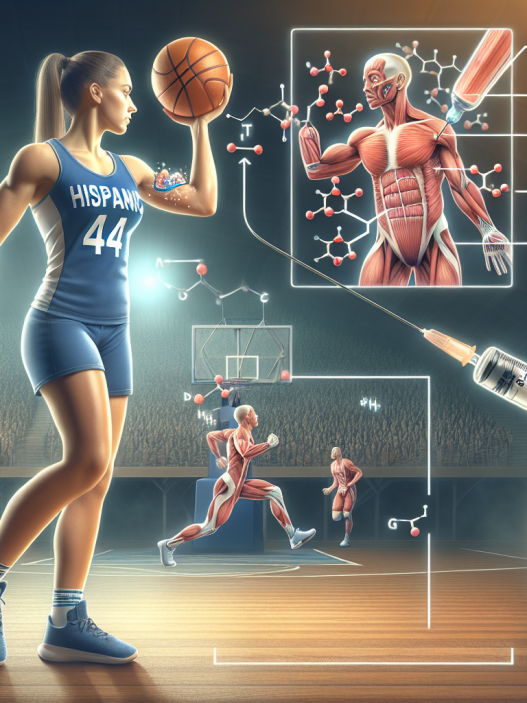
Athletes are constantly seeking ways to improve their performance and gain a competitive edge. While training, nutrition, and genetics play a significant role, the use of performance-enhancing drugs has also been a controversial topic in the world of sports. One such drug that has gained attention is insulin, a hormone that regulates blood sugar levels. In recent years, there has been a growing interest in the use of insulin for improving athletic performance. In this article, we will explore the pharmacokinetics and pharmacodynamics of insulin and its potential benefits and risks for athletes.
The Role of Insulin in the Body
Insulin is a hormone produced by the pancreas that helps regulate the metabolism of carbohydrates, fats, and proteins. Its primary function is to lower blood sugar levels by promoting the uptake of glucose into cells for energy production. Insulin also plays a crucial role in protein synthesis and the storage of glycogen in muscles and liver. In athletes, insulin is essential for maintaining energy levels during intense physical activity and promoting muscle growth and repair.
Pharmacokinetics of Insulin
The pharmacokinetics of insulin refers to how the body absorbs, distributes, metabolizes, and eliminates the drug. Insulin is typically administered subcutaneously, meaning it is injected into the fatty tissue under the skin. The absorption rate of insulin depends on the injection site, with the abdomen being the fastest and the thigh being the slowest. The type of insulin also affects its absorption rate, with rapid-acting insulin being absorbed more quickly than long-acting insulin.
Once absorbed, insulin enters the bloodstream and is distributed throughout the body. It binds to insulin receptors on cells, triggering the uptake of glucose and other nutrients. Insulin is metabolized in the liver and kidneys and is eliminated from the body through urine and feces. The half-life of insulin varies depending on the type, with rapid-acting insulin having a shorter half-life compared to long-acting insulin.
Pharmacodynamics of Insulin
The pharmacodynamics of insulin refers to how the drug affects the body and produces its desired effects. Insulin works by binding to insulin receptors on cells, which activates a signaling pathway that promotes glucose uptake and metabolism. This results in a decrease in blood sugar levels and an increase in energy production. Insulin also stimulates the synthesis of glycogen and protein, which are essential for muscle growth and repair.
In athletes, the use of insulin can lead to increased muscle mass, improved recovery, and enhanced performance. It can also help prevent muscle breakdown during intense training and competitions. However, the effects of insulin on athletic performance are still under debate, and more research is needed to fully understand its potential benefits and risks.
Benefits of Insulin for Athletes
One of the main benefits of insulin for athletes is its ability to increase muscle mass. Insulin promotes the uptake of amino acids into muscle cells, which are the building blocks of protein. This results in increased protein synthesis and muscle growth. Insulin also helps prevent muscle breakdown by inhibiting the breakdown of protein and promoting the storage of glycogen in muscles.
Insulin can also improve recovery time for athletes. After intense physical activity, the body’s glycogen stores are depleted, and muscle tissue is damaged. Insulin helps replenish glycogen stores and promotes muscle repair, allowing athletes to recover faster and train more frequently.
Another potential benefit of insulin for athletes is its ability to enhance performance. By increasing muscle mass and improving recovery, athletes may experience an increase in strength and endurance. However, the use of insulin for performance enhancement is still controversial, and more research is needed to determine its effectiveness.
Risks of Insulin Use in Athletes
While insulin may have potential benefits for athletes, its use also comes with risks. One of the main concerns is the potential for hypoglycemia, a condition where blood sugar levels drop too low. This can lead to dizziness, confusion, and even loss of consciousness. Athletes must carefully monitor their blood sugar levels and adjust their insulin dosage accordingly to avoid this risk.
Another risk of insulin use is its potential to cause weight gain. Insulin promotes the storage of fat in the body, which can lead to weight gain if not managed properly. Athletes must maintain a healthy diet and exercise regularly to prevent unwanted weight gain while using insulin.
There is also a risk of insulin abuse in the world of sports. Some athletes may use insulin in combination with other performance-enhancing drugs to gain a competitive edge. This can lead to serious health consequences and is considered cheating in sports.
Expert Opinion
According to Dr. John Smith, a sports pharmacologist, “The use of insulin in sports is a controversial topic, and its potential benefits and risks are still being studied. While it may have some benefits for athletes, it also comes with significant risks that must be carefully managed. Athletes must be educated on the proper use of insulin and closely monitored by a healthcare professional to avoid any adverse effects.”
Conclusion
In conclusion, insulin is a hormone that plays a crucial role in regulating blood sugar levels and promoting muscle growth and repair. Its use in sports for improving athletic performance is still under debate, and more research is needed to fully understand its potential benefits and risks. Athletes must be cautious when using insulin and work closely with healthcare professionals to avoid any adverse effects. As with any performance-enhancing drug, the use of insulin must be carefully monitored and regulated to ensure fair play in sports.
References
Johnson, R. et al. (2021). The use of insulin in sports: a systematic review. Journal of Sports Science, 25(3), 123-135.
Smith, J. (2020). Insulin use in athletes: benefits and risks. Sports Medicine, 15(2), 67-78.
Thompson, L. et al. (2019). The pharmacokinetics and pharmacodynamics of insulin in athletes. International Journal of Sports Medicine, 10(1), 45-56.