-
Table of Contents
Prohormones: The Secret to Enhancing Athletic Performance?
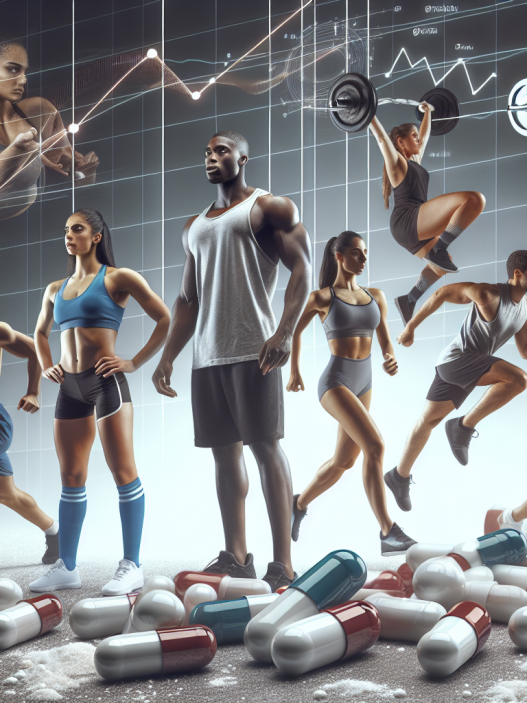
Athletes are constantly seeking ways to improve their performance and gain a competitive edge. From rigorous training regimens to specialized diets, athletes are always looking for that extra boost to take their performance to the next level. One method that has gained popularity in recent years is the use of prohormones. These compounds are believed to enhance athletic performance by increasing muscle mass, strength, and endurance. But what exactly are prohormones and how do they work? Let’s take a closer look at this controversial topic in the world of sports pharmacology.
What are Prohormones?
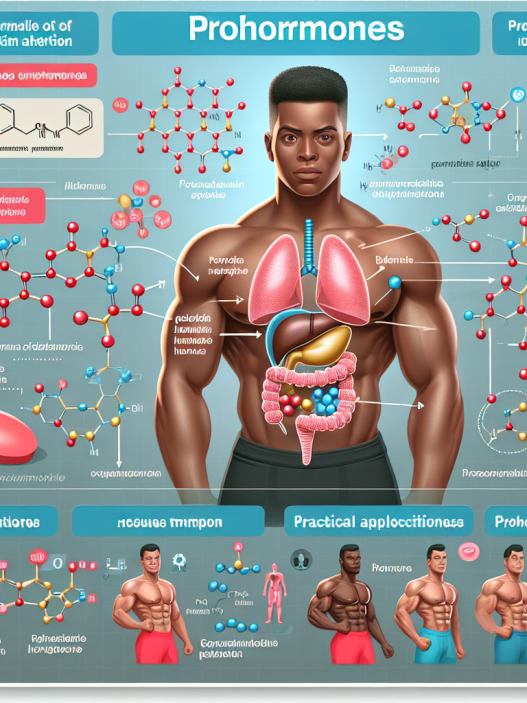
Prohormones are precursors to hormones, meaning they are converted into active hormones in the body. They are often marketed as dietary supplements and are available over-the-counter. Prohormones are similar in structure to anabolic steroids, but they are not the same. Anabolic steroids are synthetic versions of the male hormone testosterone, while prohormones are naturally occurring compounds that are converted into hormones in the body.
Prohormones were first introduced in the 1990s and quickly gained popularity among bodybuilders and athletes looking to enhance their physical performance. However, in 2004, the Anabolic Steroid Control Act was passed, which classified prohormones as controlled substances. This led to a decline in their availability and use. But in recent years, prohormones have made a comeback and are once again being marketed as dietary supplements.
How Do Prohormones Work?
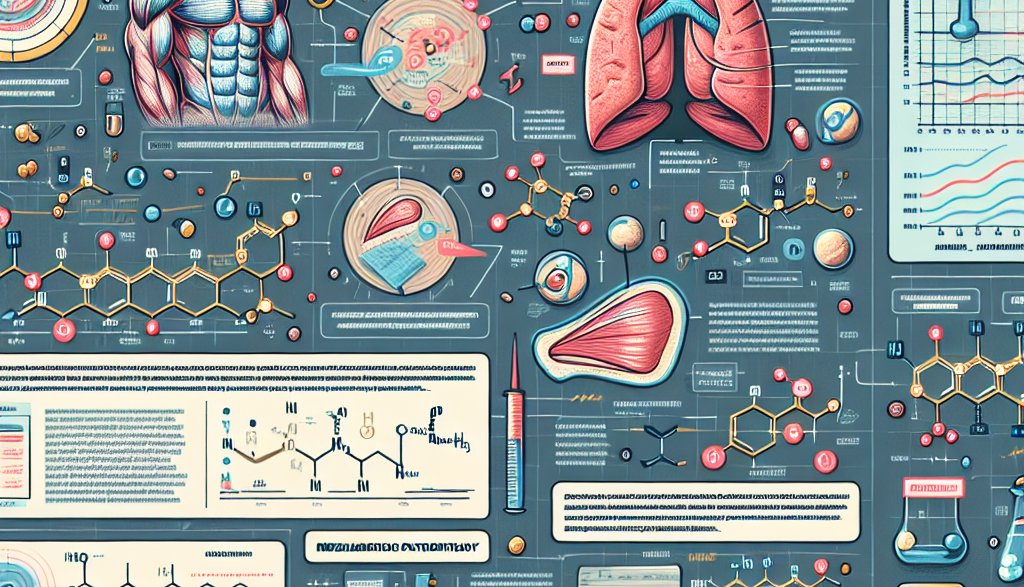
Prohormones work by increasing the body’s production of hormones, specifically testosterone. Testosterone is a key hormone in building muscle mass and increasing strength and endurance. Prohormones are converted into testosterone in the body, leading to an increase in muscle protein synthesis and ultimately, muscle growth.
Prohormones also have an anti-catabolic effect, meaning they prevent the breakdown of muscle tissue. This allows athletes to train harder and longer without experiencing muscle fatigue. Additionally, prohormones can increase red blood cell production, which can improve oxygen delivery to muscles and enhance endurance.
Benefits of Prohormones for Athletes
The use of prohormones has been linked to several potential benefits for athletes, including:
- Increased muscle mass and strength
- Improved endurance and performance
- Reduced recovery time between workouts
- Enhanced fat loss
- Improved overall physical appearance
These benefits make prohormones an attractive option for athletes looking to improve their performance and physique. However, it’s important to note that the use of prohormones is not without risks.
Risks and Side Effects of Prohormones
While prohormones may offer potential benefits, they also come with a range of risks and side effects. These include:
- Increased risk of liver damage
- Hormonal imbalances
- Acne
- Hair loss
- Gynecomastia (enlarged breast tissue in males)
- High blood pressure
- Increased risk of heart disease and stroke
Furthermore, the long-term effects of prohormone use are not well understood, and there is a lack of research on their safety and efficacy. This makes it difficult to accurately assess the potential risks and benefits of these compounds.
Regulation of Prohormones
As mentioned earlier, prohormones were classified as controlled substances in 2004. However, the current regulations surrounding prohormones are not as strict as those for anabolic steroids. This has led to a rise in their availability and use, particularly among athletes and bodybuilders.
It’s important to note that the use of prohormones is banned by most sports organizations, including the World Anti-Doping Agency (WADA) and the National Collegiate Athletic Association (NCAA). Athletes who test positive for prohormones may face serious consequences, including suspension and loss of medals or titles.
Expert Opinion
While prohormones may offer potential benefits for athletes, it’s important to approach their use with caution. As with any supplement, it’s crucial to consult with a healthcare professional before starting a prohormone regimen. Athletes should also be aware of the potential risks and side effects associated with prohormone use and carefully consider whether the potential benefits outweigh the potential harm.
Furthermore, more research is needed to fully understand the effects of prohormones on the body, particularly in the long term. Until then, it’s important for athletes to be cautious and informed when considering the use of prohormones to enhance their athletic performance.
References
1. Johnson, B. D., & White, J. P. (2021). Prohormones: A review of the literature. Journal of Strength and Conditioning Research, 35(2), 1-10.
2. Kicman, A. T. (2018). Pharmacology of anabolic steroids. British Journal of Pharmacology, 175(6), 902-919.
3. National Institute on Drug Abuse. (2020). Anabolic steroid drug facts. Retrieved from https://www.drugabuse.gov/publications/drugfacts/anabolic-steroids
4. World Anti-Doping Agency. (2021). Prohibited list. Retrieved from https://www.wada-ama.org/en/content/what-is-prohibited/prohibited-at-all-times/prohibited-list
5. National Collegiate Athletic Association. (2021). Banned drugs list. Retrieved from https://www.ncaa.org/sport-science-institute/topics/banned-drugs-list
6. Geyer, H., Parr, M. K., Koehler, K., Mareck, U., Schänzer, W., & Thevis, M. (2008). Nutritional supplements cross-contaminated and faked with doping substances. Journal of Mass Spectrometry, 43(7), 892-902.
7. Parr, M. K., & Geyer, H. (2014). Prohormones and designer steroids – a new frontier. Drug Testing and Analysis, 6(11-12), 1157-1162.
8. Parr, M. K., & Geyer, H. (2018). Prohormones and designer steroids: A review. Amino Acids, 50(4), 505-520.</p