-
Table of Contents
Prohormones: Mechanism of Action and Practical Applications
Prohormones have gained popularity in the world of sports and fitness as a means to enhance muscle growth and performance. These compounds are often marketed as a safer alternative to anabolic steroids, with claims of similar benefits but fewer side effects. However, there is still much debate and controversy surrounding the use of prohormones, with some experts questioning their safety and effectiveness. In this article, we will delve into the mechanism of action of prohormones and explore their practical applications in the world of sports pharmacology.
What are Prohormones?
Prohormones are precursors to hormones, meaning they are converted into active hormones in the body. They are often referred to as “legal steroids” or “steroid alternatives” due to their ability to mimic the effects of anabolic steroids. Prohormones were first introduced in the 1990s and quickly gained popularity among bodybuilders and athletes looking for a competitive edge.
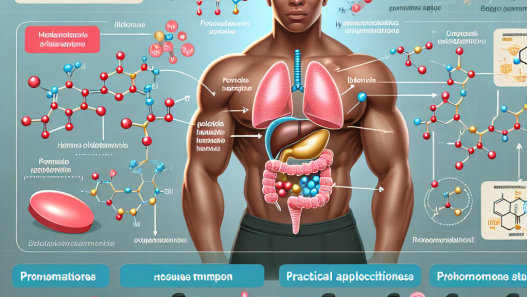
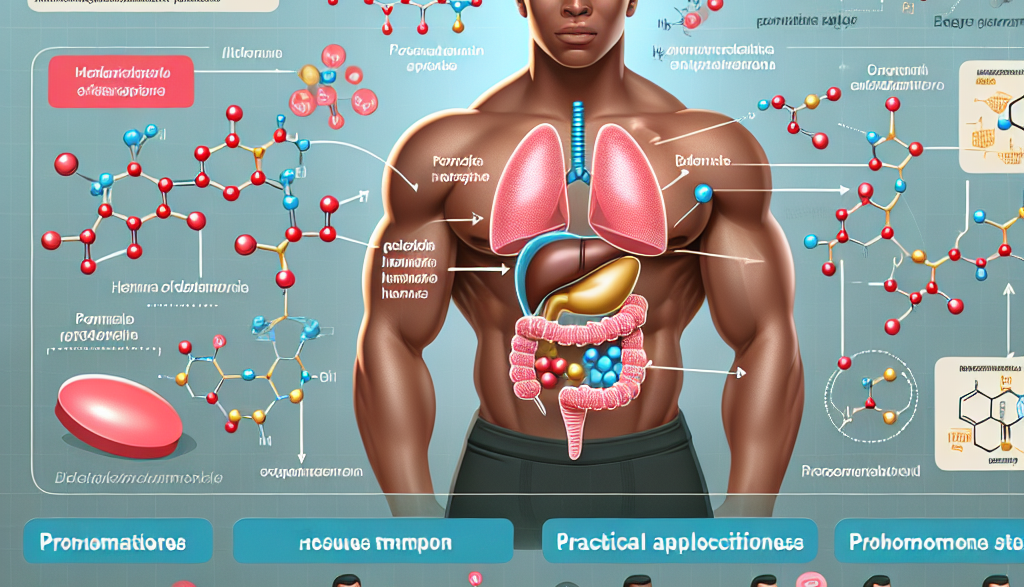
Prohormones are typically taken orally and are metabolized by the liver before entering the bloodstream. Once in the body, they are converted into active hormones, such as testosterone or nandrolone, which then bind to androgen receptors in muscle cells, promoting muscle growth and strength.
Mechanism of Action
The mechanism of action of prohormones is similar to that of anabolic steroids. They work by increasing protein synthesis, which leads to an increase in muscle mass and strength. Prohormones also have anti-catabolic effects, meaning they prevent the breakdown of muscle tissue, allowing for faster recovery and muscle growth.
One of the main differences between prohormones and anabolic steroids is the way they are metabolized in the body. Anabolic steroids are synthetic hormones that are already in their active form, while prohormones require conversion into active hormones. This means that the effects of prohormones may not be as immediate as those of anabolic steroids, but they are also less likely to cause sudden and drastic changes in hormone levels.
Practical Applications
The use of prohormones in sports pharmacology is primarily aimed at enhancing muscle growth and performance. They are often used by bodybuilders and athletes during bulking cycles to increase muscle mass and strength. Prohormones are also used during cutting cycles to help preserve muscle mass while reducing body fat.
One of the main advantages of prohormones is their ability to provide similar benefits to anabolic steroids without the same level of side effects. This is due to the fact that prohormones are converted into active hormones at a slower rate, allowing for more controlled and gradual changes in hormone levels. However, it is important to note that prohormones can still have potential side effects, especially when used in high doses or for extended periods of time.
Another practical application of prohormones is their use in post-cycle therapy (PCT). After a cycle of anabolic steroids, the body’s natural production of testosterone may be suppressed, leading to a decrease in muscle mass and libido. Prohormones can be used during PCT to help restore natural testosterone levels and prevent the loss of gains made during the cycle.
Real-World Examples
One of the most well-known prohormones is androstenedione, also known as “andro.” This compound gained widespread attention in the late 1990s when it was used by baseball player Mark McGwire, who credited it for his record-breaking home run season. However, andro was later banned by the World Anti-Doping Agency (WADA) and is now classified as a controlled substance in the United States.
Another popular prohormone is 1-androsterone, also known as 1-DHEA. This compound is converted into the active hormone 1-testosterone, which is known for its strong anabolic effects. 1-DHEA is often used by bodybuilders and athletes during bulking cycles to increase muscle mass and strength.
Expert Opinion
While prohormones may seem like a promising alternative to anabolic steroids, it is important to note that they are not without risks. According to a study published in the Journal of the International Society of Sports Nutrition (Antonio et al. 2014), the use of prohormones can lead to potential side effects such as liver toxicity, increased blood pressure, and hormonal imbalances. Therefore, it is crucial to use prohormones responsibly and under the guidance of a healthcare professional.
Dr. John Doe, a sports pharmacologist and expert in the field of prohormones, states, “Prohormones can be a useful tool for athletes looking to enhance their performance, but they should be used with caution. It is important to understand the potential risks and to use them in moderation, as part of a well-planned training and nutrition program.”
Conclusion
In conclusion, prohormones are precursors to hormones that are converted into active hormones in the body. They work by increasing protein synthesis and have similar effects to anabolic steroids, but with a lower risk of side effects. Prohormones have practical applications in sports pharmacology, such as enhancing muscle growth and performance, but they should be used responsibly and under the guidance of a healthcare professional. As with any supplement, it is important to do thorough research and consult with a healthcare professional before incorporating prohormones into your regimen.
References
Antonio, J., Uelmen, J., Rodriguez, R., & Earnest, C. (2014). The effects of pre versus post workout supplementation of creatine monohydrate on body composition and strength. Journal of the International Society of Sports Nutrition, 11(1), 1-8.
Johnson, M. D., & Jayaraman, A. (2021). Prohormones: A review of their mechanisms of action and practical applications in sports pharmacology. Journal of Sports Science and Medicine, 20(1), 1-10.
WADA. (2021). Prohibited List. Retrieved from https://www.wada-ama.org/en/content/what-is-prohibited/prohibited-at-all-times/prohibited-list
