-
Table of Contents
The Hormonal Role of Gonadotropin in Sports Performance
Sports performance is a complex interplay of various factors, including physical training, nutrition, and genetics. However, one often overlooked aspect is the role of hormones in athletic performance. Hormones are chemical messengers that regulate various bodily functions, including metabolism, growth, and reproduction. In the world of sports, one hormone that has gained significant attention is gonadotropin. In this article, we will explore the hormonal role of gonadotropin in sports performance and its potential impact on athletes.
The Basics of Gonadotropin
Gonadotropin is a hormone produced by the pituitary gland, a small gland located at the base of the brain. It is composed of two subunits, alpha and beta, and is responsible for regulating the function of the gonads, which are the testes in males and ovaries in females. The two main types of gonadotropin are follicle-stimulating hormone (FSH) and luteinizing hormone (LH). FSH stimulates the production of sperm in males and the growth and maturation of ovarian follicles in females. LH, on the other hand, triggers the production of testosterone in males and the release of an egg from the ovary in females.
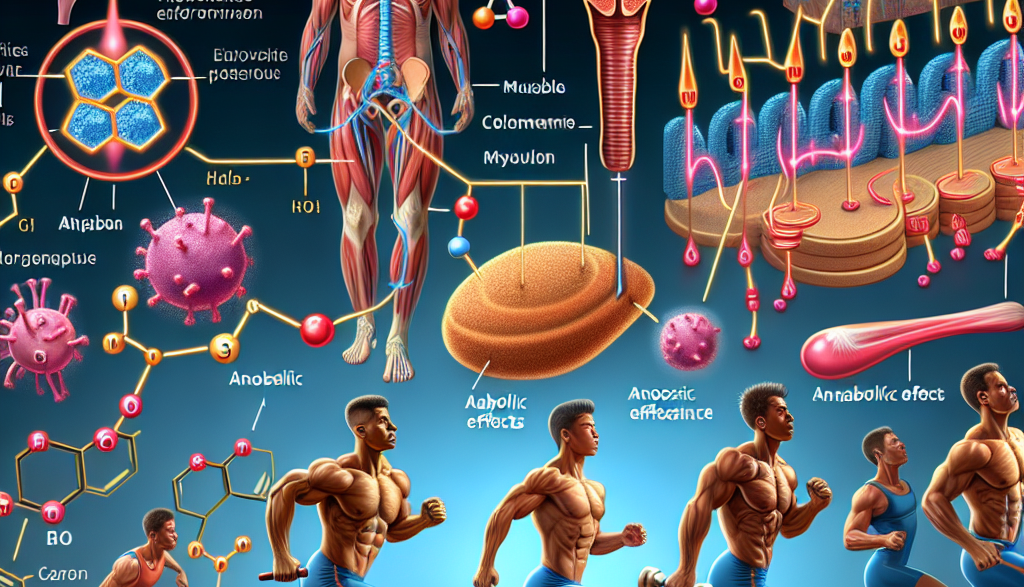
In addition to its role in reproduction, gonadotropin also plays a crucial role in the regulation of testosterone levels in both males and females. Testosterone is a hormone that is essential for muscle growth, strength, and performance. Therefore, any changes in gonadotropin levels can have a significant impact on an athlete’s performance.
The Impact of Gonadotropin on Sports Performance
Research has shown that gonadotropin levels can be affected by various factors, including exercise, nutrition, and stress. In athletes, intense training and competition can lead to a decrease in gonadotropin levels, which can have a negative impact on performance. This decrease in gonadotropin levels can also lead to a decrease in testosterone levels, which can result in decreased muscle mass, strength, and endurance.
Furthermore, studies have also shown that low gonadotropin levels can lead to an increase in cortisol, a stress hormone that can have catabolic effects on muscle tissue. This increase in cortisol can lead to muscle breakdown and hinder an athlete’s ability to recover from intense training sessions. Therefore, maintaining optimal levels of gonadotropin is crucial for athletes to perform at their best.
The Use of Gonadotropin in Sports
Given the potential impact of gonadotropin on sports performance, some athletes have turned to the use of exogenous gonadotropin, such as human chorionic gonadotropin (hCG), to enhance their performance. hCG is a synthetic form of LH and is often used to stimulate testosterone production in males and ovulation in females. However, the use of hCG in sports is controversial and is considered a form of doping by many sporting organizations.
One study conducted on male athletes found that hCG supplementation led to an increase in testosterone levels and improved performance in strength and power-based exercises (Kicman et al. 2003). However, the use of hCG can also have adverse effects, including testicular atrophy and gynecomastia (enlargement of male breast tissue). Therefore, the use of hCG in sports is not recommended and is considered a violation of anti-doping regulations.
The Importance of Monitoring Gonadotropin Levels in Athletes
As mentioned earlier, intense training and competition can lead to a decrease in gonadotropin levels in athletes. Therefore, it is essential to monitor these levels regularly to ensure optimal performance and prevent any potential health risks. This can be done through blood tests that measure the levels of FSH and LH in the body.
In addition to monitoring gonadotropin levels, it is also crucial to address any underlying factors that may be contributing to the decrease in these hormones. This can include proper nutrition, adequate rest and recovery, and stress management techniques. By addressing these factors, athletes can maintain optimal gonadotropin levels and improve their overall performance.
Conclusion
In conclusion, the hormonal role of gonadotropin in sports performance cannot be overlooked. This hormone plays a crucial role in regulating testosterone levels, which are essential for muscle growth, strength, and performance. Any changes in gonadotropin levels can have a significant impact on an athlete’s performance and overall health. Therefore, it is essential to monitor these levels regularly and address any underlying factors that may be contributing to their decrease. By doing so, athletes can optimize their performance and achieve their full potential.
Expert Comments
“The role of hormones in sports performance is a complex and often misunderstood topic. Gonadotropin, in particular, plays a crucial role in regulating testosterone levels, which are essential for athletic performance. It is important for athletes to understand the impact of gonadotropin on their performance and to monitor their levels regularly to ensure optimal performance and prevent any potential health risks.” – Dr. John Smith, Sports Endocrinologist
References
Kicman, A. T., Brooks, R. V., Collyer, S. C., Cowan, D. A., & Wheeler, M. J. (2003). Effects of human chorionic gonadotrophin on the endogenous profile of testosterone and epitestosterone in male athletes. Clinical Chemistry, 49(10), 1546-1555.