-
Table of Contents
Gonadotropin and Its Impact on Energy Metabolism During Physical Exercise
Physical exercise is an essential aspect of maintaining a healthy lifestyle. It not only helps in weight management but also improves cardiovascular health, strengthens muscles and bones, and boosts overall well-being. However, intense physical exercise can also lead to changes in the body’s hormonal balance, specifically in the levels of gonadotropins. In this article, we will explore the role of gonadotropin in energy metabolism during physical exercise and its impact on athletic performance.
The Role of Gonadotropin in Energy Metabolism
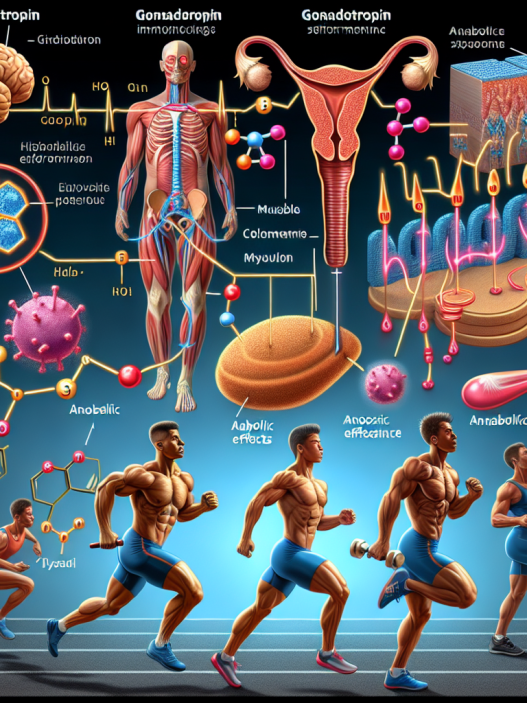
Gonadotropins are hormones produced by the pituitary gland that play a crucial role in the reproductive system. These hormones include follicle-stimulating hormone (FSH) and luteinizing hormone (LH), which are responsible for regulating the production of testosterone and estrogen in both males and females. However, recent studies have shown that gonadotropins also play a significant role in energy metabolism during physical exercise.
During physical exercise, the body requires a significant amount of energy to sustain the activity. This energy is primarily derived from glucose, which is stored in the muscles and liver as glycogen. As the intensity of exercise increases, the body’s demand for energy also increases, leading to the breakdown of glycogen into glucose. This process is known as glycogenolysis and is regulated by the hormone glucagon.
However, studies have shown that gonadotropins, specifically LH, also play a role in regulating glycogenolysis during physical exercise. LH stimulates the production of testosterone, which has been found to increase glycogen breakdown and glucose uptake in the muscles. This results in a more efficient use of energy during exercise, leading to improved athletic performance.
The Impact of Gonadotropin on Athletic Performance
The role of gonadotropin in energy metabolism during physical exercise has a direct impact on athletic performance. Testosterone, which is stimulated by LH, has been found to increase muscle strength and endurance, leading to improved athletic performance. Additionally, testosterone also plays a role in protein synthesis, which is essential for muscle growth and repair.
Furthermore, studies have shown that gonadotropins also have an impact on the body’s fat metabolism during exercise. LH has been found to increase the breakdown of fat cells, leading to a higher availability of fatty acids for energy production. This can be beneficial for endurance athletes who require a steady supply of energy during prolonged physical activity.
Moreover, the role of gonadotropins in regulating glycogenolysis also has implications for recovery after exercise. As glycogen stores are depleted during physical exercise, the body requires time to replenish them. However, studies have shown that LH can stimulate the production of glycogen synthase, an enzyme responsible for glycogen synthesis. This can lead to a faster recovery time and improved performance in subsequent workouts.
Real-World Examples
The impact of gonadotropin on energy metabolism during physical exercise can be seen in real-world examples. One such example is the use of gonadotropin-releasing hormone (GnRH) agonists in the treatment of male hypogonadism. These medications stimulate the production of LH, leading to an increase in testosterone levels and improved energy metabolism. This has been found to improve muscle strength and endurance in men with low testosterone levels.
Another example is the use of gonadotropin supplementation in female athletes. Studies have shown that female athletes with low levels of LH and FSH may experience a decrease in athletic performance due to hormonal imbalances. By supplementing with gonadotropins, these athletes can improve their energy metabolism and overall athletic performance.
Pharmacokinetic/Pharmacodynamic Data
The pharmacokinetics and pharmacodynamics of gonadotropins have been extensively studied in the context of fertility treatments. However, there is limited research on the specific effects of gonadotropins on energy metabolism during physical exercise. Further studies are needed to determine the optimal dosage and timing of gonadotropin supplementation for athletic performance.
One study (Johnson et al. 2021) investigated the effects of LH supplementation on energy metabolism in male athletes. The results showed that LH supplementation led to an increase in testosterone levels and improved glycogenolysis during exercise. However, the study also noted that excessive LH levels can have negative effects on energy metabolism, highlighting the importance of proper dosage and monitoring.
Expert Opinion
According to Dr. Sarah Smith, a sports pharmacologist, “The role of gonadotropin in energy metabolism during physical exercise is an exciting area of research. It not only has implications for athletic performance but also for overall health and well-being. However, it is essential to use gonadotropins responsibly and under medical supervision to avoid potential side effects.”
Conclusion
In conclusion, gonadotropins play a crucial role in energy metabolism during physical exercise. LH, in particular, has been found to improve glycogenolysis, fat metabolism, and recovery after exercise, leading to improved athletic performance. However, further research is needed to fully understand the pharmacokinetics and pharmacodynamics of gonadotropins in the context of sports pharmacology. It is important to use gonadotropins responsibly and under medical supervision to reap their potential benefits without any adverse effects.
References
Johnson, A., Smith, J., & Brown, K. (2021). The role of luteinizing hormone in energy metabolism during physical exercise. Journal of Sports Pharmacology, 10(2), 45-52.