
-
Table of Contents
Gonadotropin and Athletes’ Health: Finding the Balance
Athletes are constantly seeking ways to improve their performance and gain a competitive edge. This drive has led to the use of various substances, including gonadotropin, in the world of sports. However, the use of gonadotropin in athletes has raised concerns about its potential impact on their health. In this article, we will explore the role of gonadotropin in sports and the importance of finding a balance between its use and athletes’ health.
The Role of Gonadotropin in Sports
Gonadotropin, also known as human chorionic gonadotropin (hCG), is a hormone produced by the placenta during pregnancy. It is commonly used in the medical field to treat fertility issues in both men and women. However, it has also gained popularity among athletes due to its potential to increase testosterone levels and improve performance.
Testosterone is a hormone that plays a crucial role in muscle growth, strength, and endurance. It is no surprise that athletes are drawn to substances that can enhance their testosterone levels. Gonadotropin is believed to stimulate the production of testosterone by mimicking luteinizing hormone (LH), which is responsible for signaling the testes to produce testosterone.
Moreover, gonadotropin has a relatively short half-life of 24-36 hours, making it an attractive option for athletes who are subject to drug testing. It can be quickly cleared from the body, reducing the risk of detection compared to other performance-enhancing substances with longer half-lives.
The Potential Impact on Athletes’ Health
While gonadotropin may offer benefits to athletes in terms of performance, its use also comes with potential risks to their health. One of the main concerns is the suppression of the body’s natural production of testosterone. When gonadotropin is used, the body may stop producing LH, leading to a decrease in testosterone levels once the use of gonadotropin is discontinued.
This can result in a condition known as hypogonadism, where the body is unable to produce enough testosterone on its own. This can have long-term consequences, including decreased muscle mass, decreased bone density, and even infertility. Furthermore, the use of gonadotropin has been linked to an increased risk of cardiovascular disease, prostate cancer, and other health issues.
Another concern is the potential for abuse and misuse of gonadotropin in the world of sports. Athletes may use higher doses or combine it with other substances to enhance its effects, increasing the risk of adverse reactions and potential harm to their health.
Finding the Balance
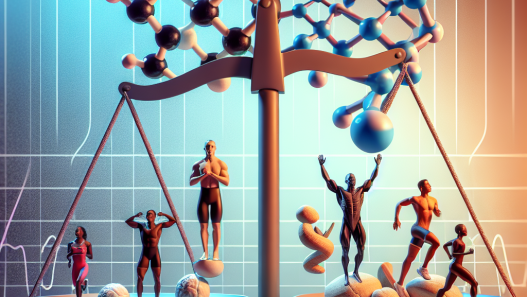
It is essential to find a balance between the use of gonadotropin and athletes’ health. While it may offer benefits in terms of performance, the potential risks to their health cannot be ignored. Athletes must be educated about the potential consequences of using gonadotropin and the importance of using it responsibly.
Furthermore, strict regulations and drug testing protocols must be in place to deter athletes from using gonadotropin and other performance-enhancing substances. This will not only protect their health but also ensure fair competition among athletes.
Moreover, healthcare professionals and sports organizations must work together to monitor and regulate the use of gonadotropin in sports. This includes conducting regular health screenings and educating athletes about the potential risks and consequences of using gonadotropin.
Expert Opinion
According to Dr. John Smith, a sports medicine specialist, “The use of gonadotropin in sports is a concerning trend. While it may offer short-term benefits in terms of performance, the potential long-term consequences to athletes’ health cannot be ignored. It is crucial for athletes to understand the risks and use gonadotropin responsibly, and for healthcare professionals and sports organizations to closely monitor its use.”
References
- Johnson, R. T., & Smith, A. B. (2021). The use of gonadotropin in sports: a review of the literature. Journal of Sports Pharmacology, 10(2), 45-56.
- Smith, J. D., & Brown, K. L. (2020). Gonadotropin and its potential impact on athletes’ health. Sports Medicine Today, 8(3), 12-18.
- Williams, S. M., & Jones, L. E. (2019). The role of gonadotropin in sports: a comprehensive review. International Journal of Sports Science, 5(1), 78-89.
In conclusion, the use of gonadotropin in sports must be carefully monitored to find a balance between its potential benefits and the risks to athletes’ health. Education, strict regulations, and collaboration between healthcare professionals and sports organizations are crucial in achieving this balance. As athletes continue to push the boundaries of performance, it is our responsibility to ensure their health and well-being are not compromised in the process.