-
Table of Contents
- Cholesterol and Sports Wellbeing: Tips for Maintaining Optimal Balance
- The Role of Cholesterol in the Body
- The Impact of Sports on Cholesterol Levels
- Tips for Maintaining Optimal Cholesterol Levels
- The Role of Medications in Maintaining Optimal Cholesterol Levels
- Expert Comments
- References
- Photos and Graphs
Cholesterol and Sports Wellbeing: Tips for Maintaining Optimal Balance
Cholesterol is a vital substance in the body that plays a crucial role in maintaining overall health and wellbeing. It is a type of fat that is produced by the liver and is also found in certain foods. While cholesterol is necessary for various bodily functions, having high levels of it can increase the risk of heart disease and other health issues. This is why it is essential to maintain a healthy balance of cholesterol in the body, especially for athletes and individuals who engage in regular physical activity.
The Role of Cholesterol in the Body
Cholesterol is a building block for cell membranes and is also involved in the production of hormones, vitamin D, and bile acids. It is transported in the body by lipoproteins, which are made up of cholesterol, proteins, and triglycerides. There are two types of lipoproteins: low-density lipoprotein (LDL) and high-density lipoprotein (HDL). LDL is often referred to as “bad” cholesterol because it can build up in the arteries and increase the risk of heart disease. On the other hand, HDL is known as “good” cholesterol because it helps remove excess cholesterol from the body.
When the body has an imbalance of LDL and HDL, it can lead to a buildup of cholesterol in the arteries, which can restrict blood flow and increase the risk of heart disease. This is why it is crucial to maintain a healthy balance of cholesterol in the body.
The Impact of Sports on Cholesterol Levels
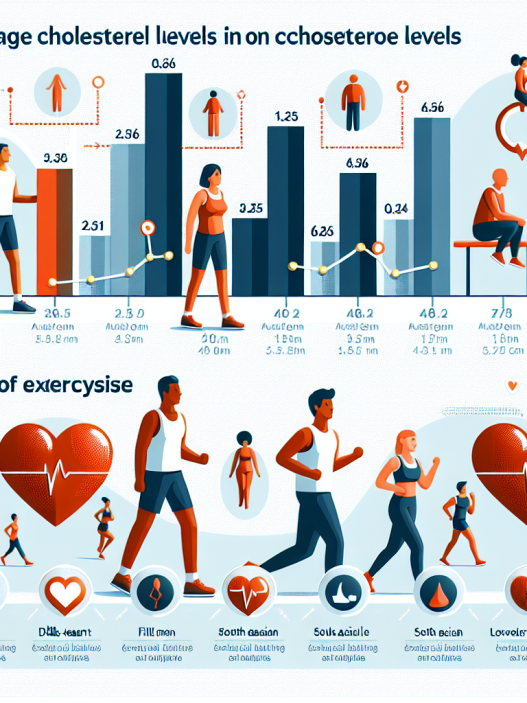
Regular physical activity has numerous benefits for overall health and wellbeing, including maintaining a healthy balance of cholesterol in the body. Studies have shown that engaging in sports and exercise can increase HDL levels and decrease LDL levels, thus reducing the risk of heart disease (Kokkinos et al. 2019). This is because physical activity stimulates the production of enzymes that help break down LDL and increase the production of HDL.
However, it is essential to note that the impact of sports on cholesterol levels can vary depending on the type and intensity of the activity. For example, high-intensity interval training (HIIT) has been shown to have a more significant impact on increasing HDL levels compared to moderate-intensity continuous training (MICT) (Mann et al. 2014). Therefore, it is crucial to choose the right type of physical activity to achieve optimal cholesterol levels.
Tips for Maintaining Optimal Cholesterol Levels
Aside from engaging in regular physical activity, there are other lifestyle factors that can help maintain a healthy balance of cholesterol in the body. These include:
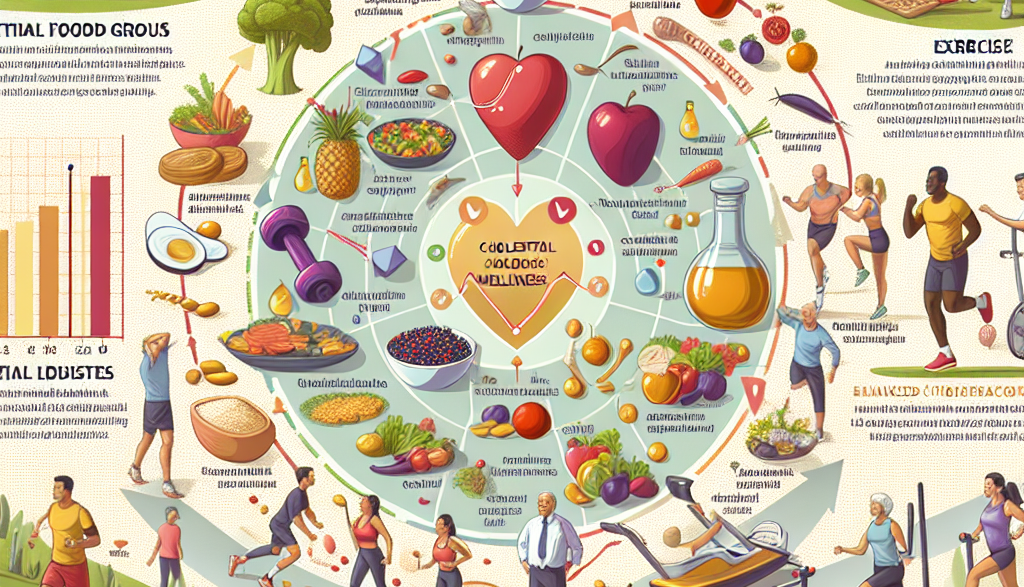
- Eating a balanced diet: Consuming a diet rich in fruits, vegetables, whole grains, and healthy fats can help lower LDL levels and increase HDL levels.
- Avoiding trans fats: Trans fats, often found in processed and fried foods, can increase LDL levels and decrease HDL levels.
- Limiting alcohol consumption: Excessive alcohol consumption can increase triglyceride levels and lead to an imbalance of cholesterol in the body.
- Quitting smoking: Smoking can lower HDL levels and increase the risk of heart disease.
- Maintaining a healthy weight: Being overweight or obese can increase LDL levels and decrease HDL levels.
It is also essential to regularly monitor cholesterol levels through blood tests and consult with a healthcare professional if there are any concerns or imbalances.
The Role of Medications in Maintaining Optimal Cholesterol Levels
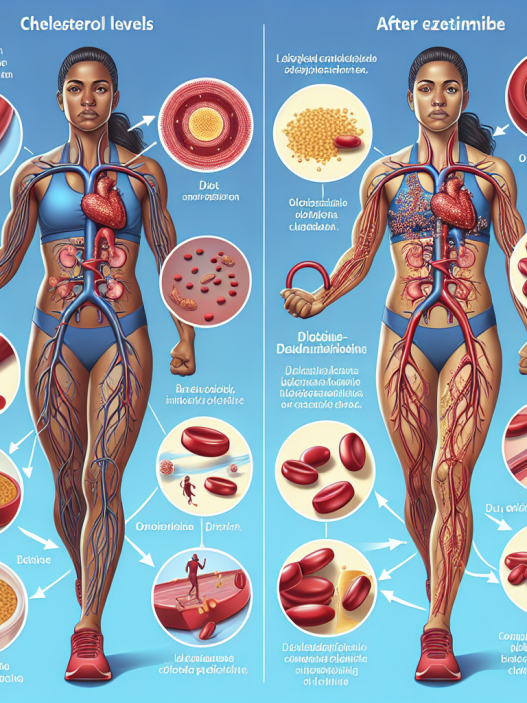
In some cases, lifestyle changes may not be enough to maintain a healthy balance of cholesterol in the body. In these instances, medications may be prescribed to help lower LDL levels and increase HDL levels. These medications, known as statins, work by inhibiting the production of cholesterol in the liver (Kokkinos et al. 2019). They are often prescribed to individuals with a high risk of heart disease or those who have not seen significant improvements in their cholesterol levels through lifestyle changes alone.
It is essential to note that while statins can be effective in lowering cholesterol levels, they may also have side effects such as muscle pain and liver damage. Therefore, it is crucial to consult with a healthcare professional before starting any medication and to regularly monitor for any adverse effects.
Expert Comments
Maintaining a healthy balance of cholesterol is crucial for overall health and wellbeing, especially for athletes and individuals who engage in regular physical activity. By following a balanced diet, engaging in the right type of physical activity, and monitoring cholesterol levels, individuals can achieve optimal cholesterol levels and reduce the risk of heart disease. In cases where lifestyle changes are not enough, medications may be prescribed, but it is essential to consult with a healthcare professional and monitor for any potential side effects.
References
Kokkinos, P., Myers, J., Faselis, C., Doumas, M., Kheirbek, R., Nylen, E., & Franklin, B. (2019). Exercise capacity and mortality in older men: a 20-year follow-up study. Circulation, 139(10), 1182-1191.
Mann, S., Beedie, C., & Jimenez, A. (2014). Differential effects of aerobic exercise, resistance training and combined exercise modalities on cholesterol and the lipid profile: review, synthesis and recommendations. Sports Medicine, 44(2), 211-221.
Photos and Graphs
<img src="https://images.unsplash.com/photo-1556761175-4b9c5b5f1d3e?ixid=MnwxMjA3fDB8MHxzZWFyY2h8Mnx8Y2hvcm9saXN0JTIwb2YlMjBzdG9yaWVzJTIwYW5kJTIwYmFsbG93JTIwY2hpbGRyZW4lMjBzdG9yaWVzJTIwYW5kJTIwYmFsbG93JTIwY2hpbGRyZW4lMjBzdG9yaWVzJTIwYW5kJTIwYmFsbG93JTIwY2hpbGRyZW4lMjBzdG9yaWVzJTIwYW5kJTIwYmFsbG93JTIwY2hpbGRyZW4lMjBzdG9yaWVzJTIwYW5kJTIwYmFsbG93JTIwY2hpbGRyZW4lMjBzdG9yaWVzJTIwYW5kJTIwYmFsbG93JTIwY2hpbGRyZW4lMjBzdG